
Field notes.
Field notes from CONFLICT on AI-native software delivery: agentic engineering, AI solutions, cloud computing, ecommerce platforms, mobile applications, and emerging internet technology. Senior-only teams, agent-augmented workflows, outcome-based delivery.

Navegador v1.6.0: Targeting, and a Graph That Matches the Code
Navegador v1.6.0 adds targeting tools that tell agents where to look, and fixes the ingest bugs that were filling graphs with build output.
Read→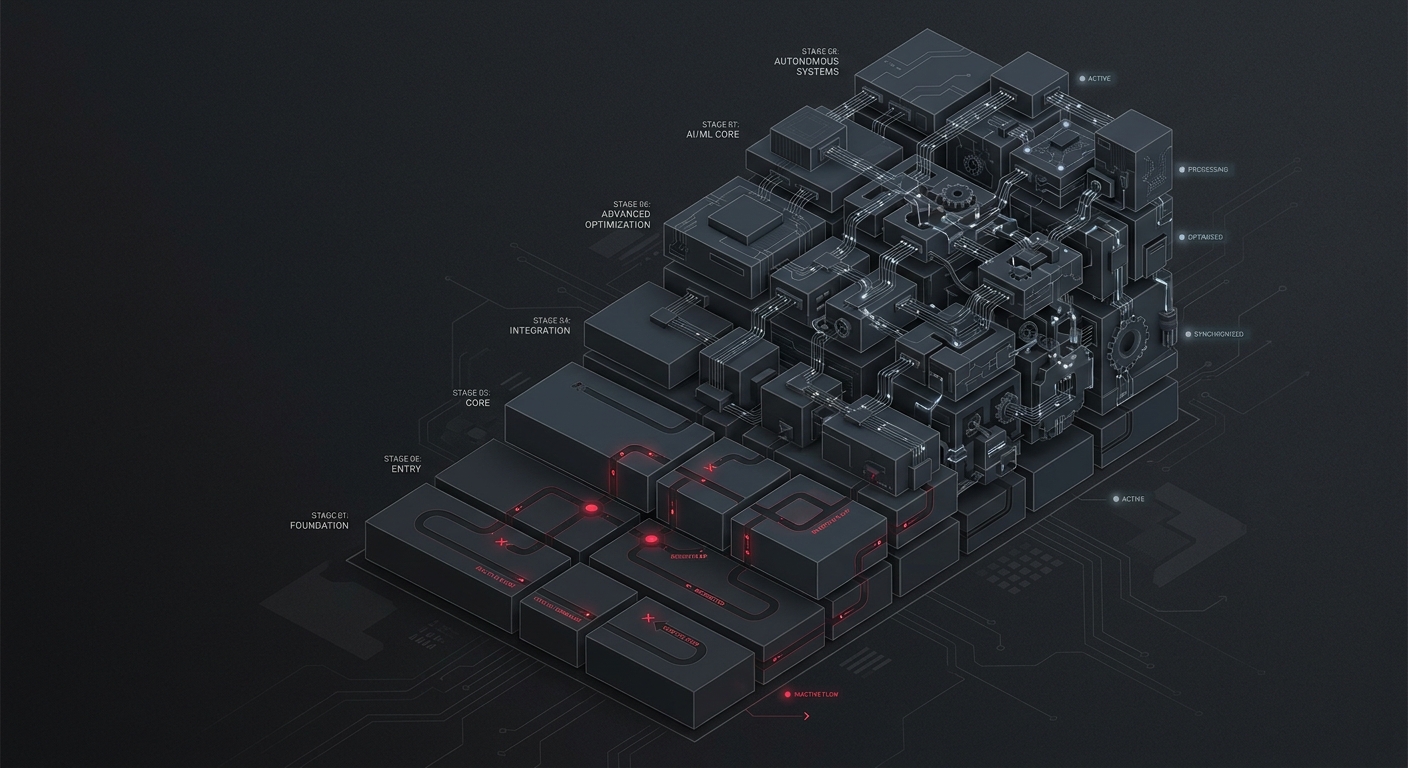
Why We Don't Hire Junior Engineers (And Why That Is Not a Crisis)
We reject the moral panic about not hiring junior engineers; the industry's senior AI-native talent pipeline requires a new, effective strategy.
Read→
Agents Need the Principle of Least Privilege Too
Enterprise AI agents consistently operate with excessive privilege, ignoring core security principles and introducing systemic vulnerabilities across infrastructure.
Read→
Ship the Copilot With the Boilerplate
We open-sourced a Django + Next.js template with an agentic in-app copilot pre-wired: CopilotKit UI, a Pydantic AI agent inside Django, and tools that respect your auth and permissions from the first request.
Read→
Spec-First Engineering: The Most Important Skill of the Decade
Agentic engineering fails without spec-first workflow. Prioritize clear specifications to prevent AI agents from generating broken, inconsistent code.
Read→
SOC 2 in the Age of Agents: What Your Auditor Has Not Figured Out Yet
SOC 2 was designed for humans; AI agents now operate enterprise systems, exposing critical security and compliance blind spots auditors ignore.
Read→
Vendor Lock-In Is Back. It Is Just AI-Shaped Now.
AI's unstandardized layers reintroduce vendor lock-in at mainframe-era depths for enterprises, shifting strategic architectural risk.
Read→
DORA Metrics Cannot Measure What Agents Do
DORA metrics, designed for human teams, no longer accurately measure software delivery and engineering performance when AI agents drive implementation.
Read→
MCP Is Not a Standard Yet. It Is a Conversation.
MCP is not a standard yet. Treating this evolving agentic protocol as settled will cause significant pain for AI infrastructure teams.
Read→
Build vs Buy vs Generate: A Decision Tree for 2026
AI agents add 'generate' to build-vs-buy, forcing a new decision tree for modern software architecture and strategy in 2026.
Read→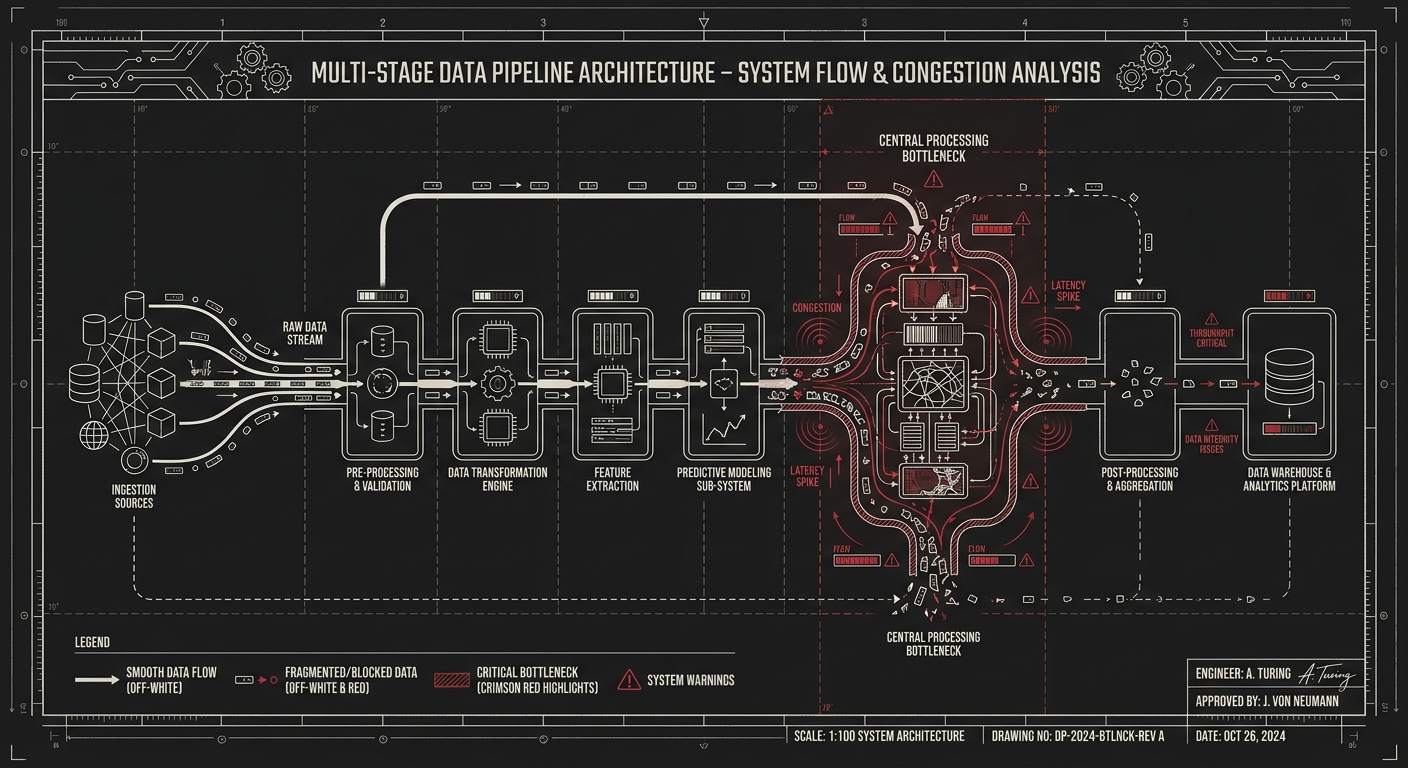
Your Data Platform Is the Bottleneck. Your AI Strategy Is Not.
Enterprise AI strategies fail when data architecture is unsound. Your data platform, not AI, is the bottleneck preventing success.
Read→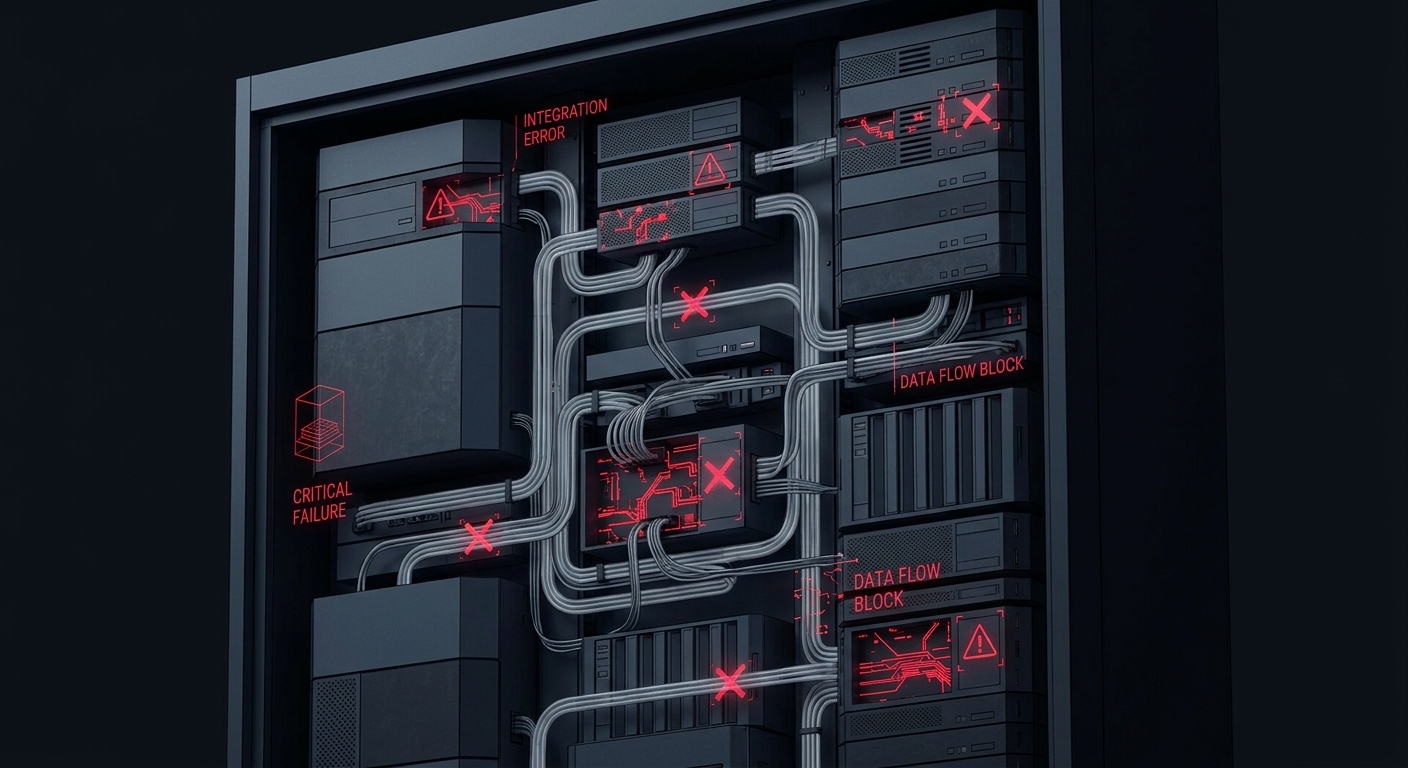
Staff Augmentation Was a Bug, Not a Feature
Staff augmentation was a temporary throughput fix, never a path to good engineering outcomes, now obsolete in AI-native development.
Read→
The Big Three Consultancies Are Selling You PowerPoint and Calling It Strategy
The Big Three consultancies define 'strategy' as board-ready PowerPoint, not actionable AI implementation, hindering enterprise progress and execution.
Read→
The Procurement Team Cannot Buy What It Cannot Specify
Old enterprise procurement processes fail AI; what cannot be precisely specified, like AI's true value, cannot be effectively procured.
Read→
Disposable Code: Building Software You Plan to Throw Away
The rise of AI-native engineering demands new software architecture: strategically build disposable code for systems not requiring long-term maintenance.
Read→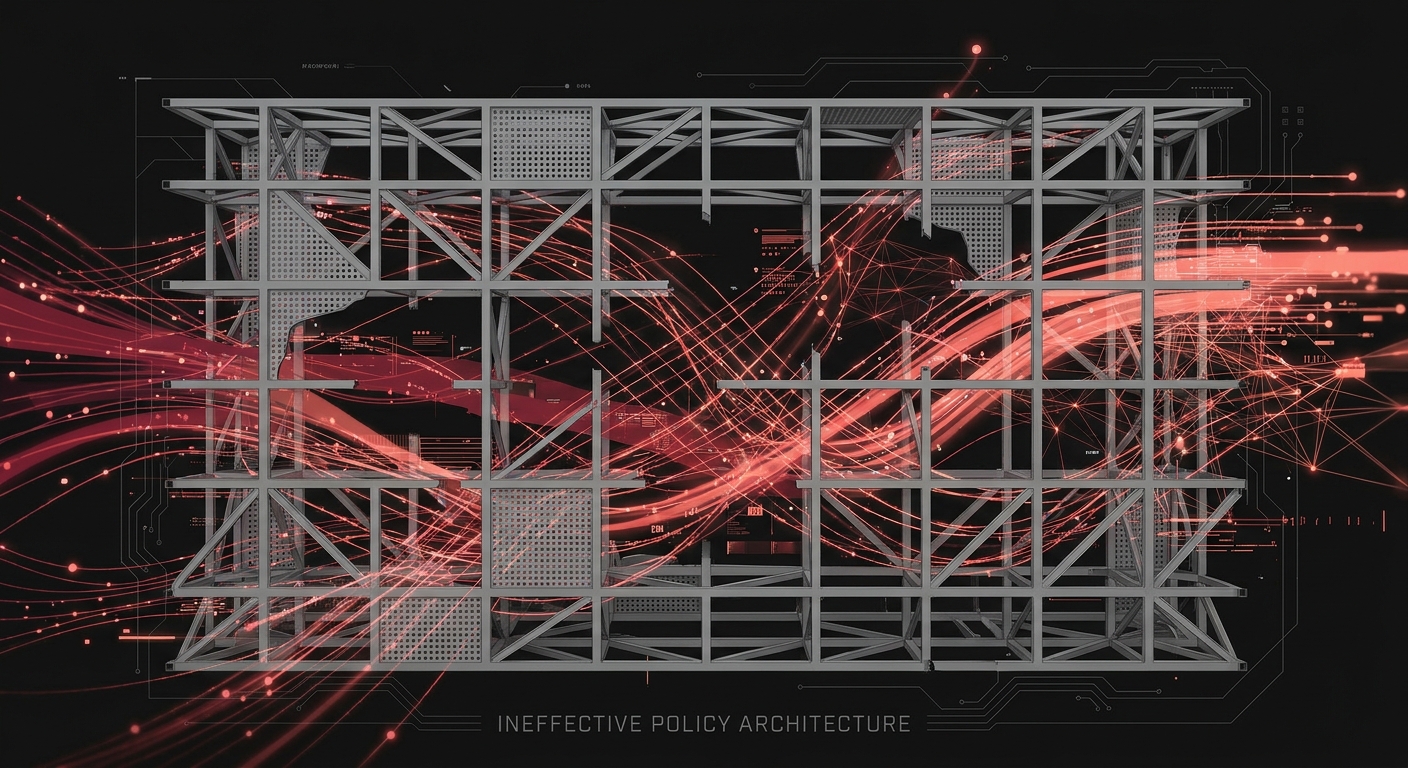
Your AI Policy Is Compliance Theater
Generic AI policies are compliance theater: they don't change engineering behavior, secure systems, or govern AI agent development effectively.
Read→
Why We Killed the Six-Month Roadmap
CONFLICT ended the six-month roadmap because AI-native engineering shifted the rate-limiting step from building to strategic decision-making.
Read→
The Cost of a Code Review Is Now Higher Than the Cost of the Code
AI agents reverse software's cost curve: code review is now the bottleneck, costing more than the code generated in modern engineering.
Read→
scuttlebot v1.5.0 Is Live: Every System Bot Is Now Interactive
Scuttlebot v1.5.0 transforms system bots into interactive agents, granting operators direct command and real-time visibility across AI infrastructure.
Read→
AI-Native Is Not a Buzzword: Here Is the Checklist
True AI-native engineering redefines the operating model, moving beyond AI-adjacent tools to embed AI into core processes for structural advantage.
Read→
Stop Hiring Engineers. Start Hiring Architects.
AI agents are obsoleting implementation-focused engineering roles. Stop hiring engineers for capacity; prioritize architectural judgment instead.
Read→
The 3-Person Team That Outbuilds a 20-Person Department
AI-native methodology allows 3-person teams to outbuild and outperform 20-person engineering departments on complex production systems.
Read→
We Replaced Our Own Workflows Before We Replaced Yours
CONFLICT earns AI consulting credibility by deploying our AI-native tools and agent-driven workflows as production infrastructure before client engagement.
Read→
Navegador v1.1.0 Is Live: Better PlanOpticon Interop, Cleaner Memory Imports
Navegador v1.1.0 enhances PlanOpticon interop and memory imports, making brittle data pipelines reliable for graph queries and knowledge tooling.
Read→
PlanOpticon v0.6.0 Is Live: Cleaner Output Contracts for Downstream Tools
PlanOpticon v0.6.0 delivers precise output contracts, preventing pipeline integration bugs for AI tools and ensuring reliable data ingestion.
Read→
The AI-Native Consultancy: Why Traditional Agencies Cannot Compete
AI-native consultancies exploit AI agents to automate implementation, rendering traditional agency models structurally obsolete and uncompetitive.
Read→
The SQLite Renaissance: Why Cloudflare D1 and Workers Are the Right Shape for Agentic Apps
Traditional infrastructure fails for agentic AI. SQLite on Cloudflare D1 and Workers is the right shape for modern agentic applications.
Read→
Discovery Evolved: From Sticky Notes to Federated Knowledge Graphs
Fragile discovery insights are an infrastructure problem. CONFLICT engineers AI-native systems for durable, queryable knowledge with PlanOpticon and knowledge graphs.
Read→
The Case for Decentralizing Your Codebase: Introducing fossilrepo
Centralized SCM platforms are failing under agentic AI development pressure, creating critical infrastructure brittleness. Decentralize your codebase with fossilrepo.
Read→
Discovery Evolved: Why We Invest More in Research, Not Less
AI-native software engineering demands more research, not less. Rich context fuels agent quality, unlocking unparalleled delivery speed and results.
Read→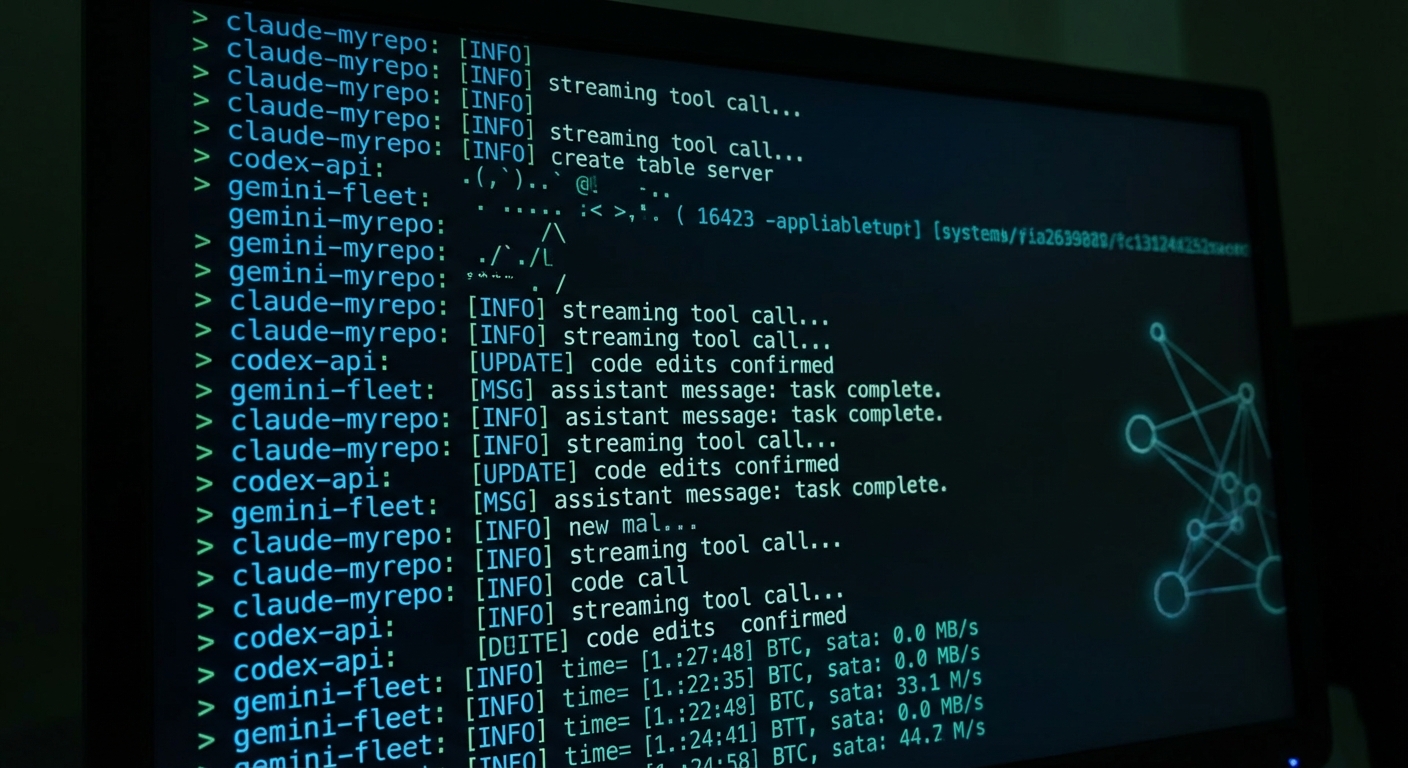
Introducing scuttlebot: Run a Fleet of AI Agents. Watch Them Work.
scuttlebot is an open-source coordination backplane for AI agents, allowing operators to observe, control, and coordinate agent fleets via standard IRC.
Read→
Hugoifier v0.3: Why We Built a Tool to Kill Website Migrations
Manual website migrations are a mechanical bottleneck. CONFLICT's Hugoifier v0.3, an AI-native open-source tool, automates and eliminates this critical webdev problem.
Read→
Boilerworks Is Live: 26 Templates, 10 Stacks, Zero Excuses
Boilerworks provides 26 production-ready project templates with CI/CD, Terraform, and Docker pre-configured, so you can build, not boilerplate.
Read→
PlanOpticon v0.5: From Video Analyzer to Planning Platform
PlanOpticon v0.5 transforms CONFLICT's open-source AI tool from a video analyzer to a full planning platform, bridging knowledge extraction to action.
Read→
Agentic Development Done Right: A Practitioner's Guide
Agentic development demands a structured workflow architecture, not just AI tools; CONFLICT details our proven production pipeline and patterns.
Read→
AI Guardrails That Actually Work: Beyond Checkbox Compliance
Beyond compliance: CONFLICT details practical architectures for effective AI guardrails that prevent agentic system failures in production.
Read→
Hugoifier Is Open Source: Turn Any Website Into a Hugo Site in Minutes
CONFLICT open-sources Hugoifier, a tool that automates converting any existing website into a production-ready Hugo static site, streamlining migrations.
Read→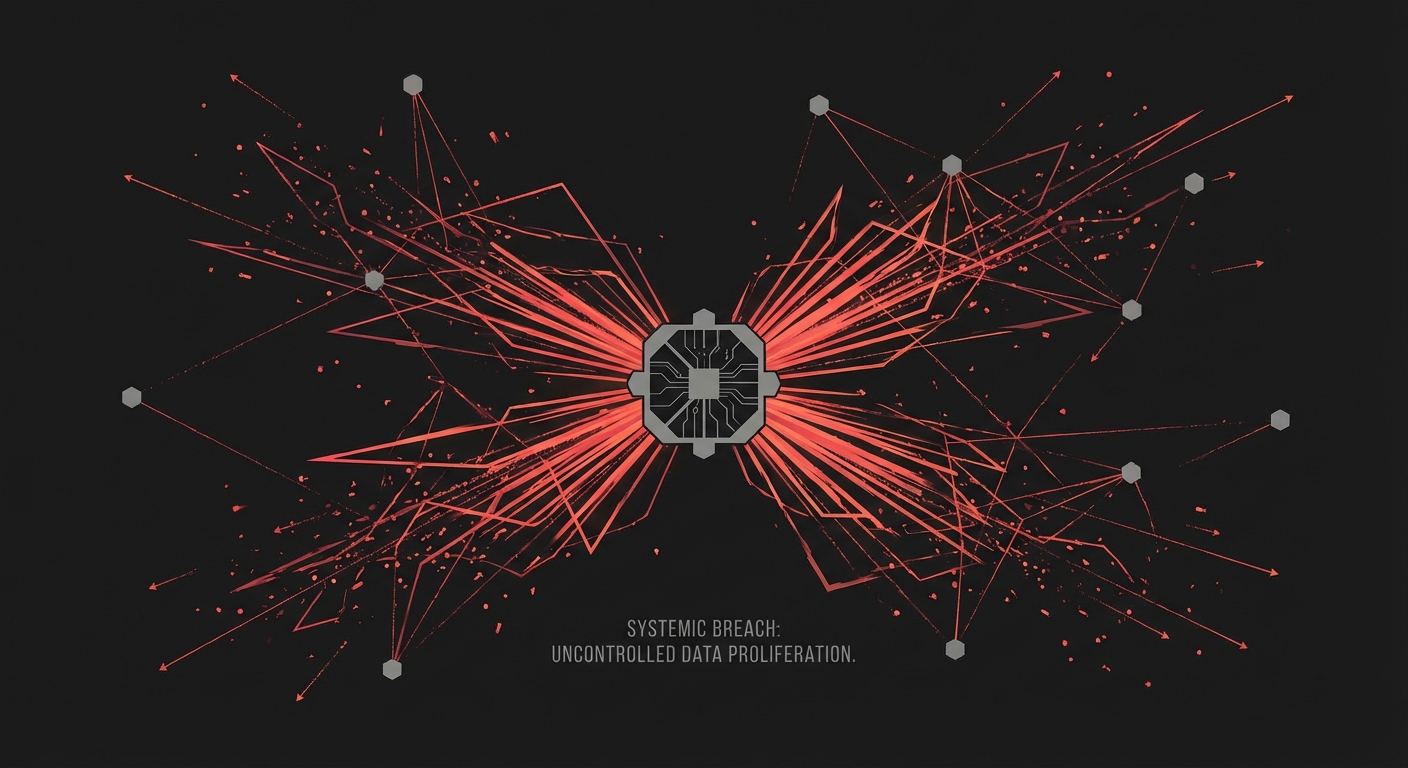
OpenClaw and the Security Crisis Nobody Planned For
OpenClaw's architectural failure turned an autonomous AI agent into a catastrophic security incident by granting uncontrolled OS and communications access.
Read→
Building with AI: What Thirteen Years of Software Engineering Taught Us About the Next Thirteen
From mobile to AI, CONFLICT's thirteen years building software reveal enduring engineering challenges and actionable lessons for the AI-native era.
Read→
Modern AI Development: What Has Actually Changed
AI isn't a feature; it's a structural software engineering methodology shift. We detail the actual changes operators encounter in modern AI development.
Read→
What Is a Software Factory in 2026?
A 2026 software factory leverages AI agents, automated systems, and human expertise to produce high-quality output at high velocity with consistent standards.
Read→
AWS Partnership and TeamSpartan: Why Certifications Matter More Than You Think
AWS certifications and TeamSpartan's operational expertise fill a critical market gap in architecting and operating resilient production cloud infrastructure.
Read→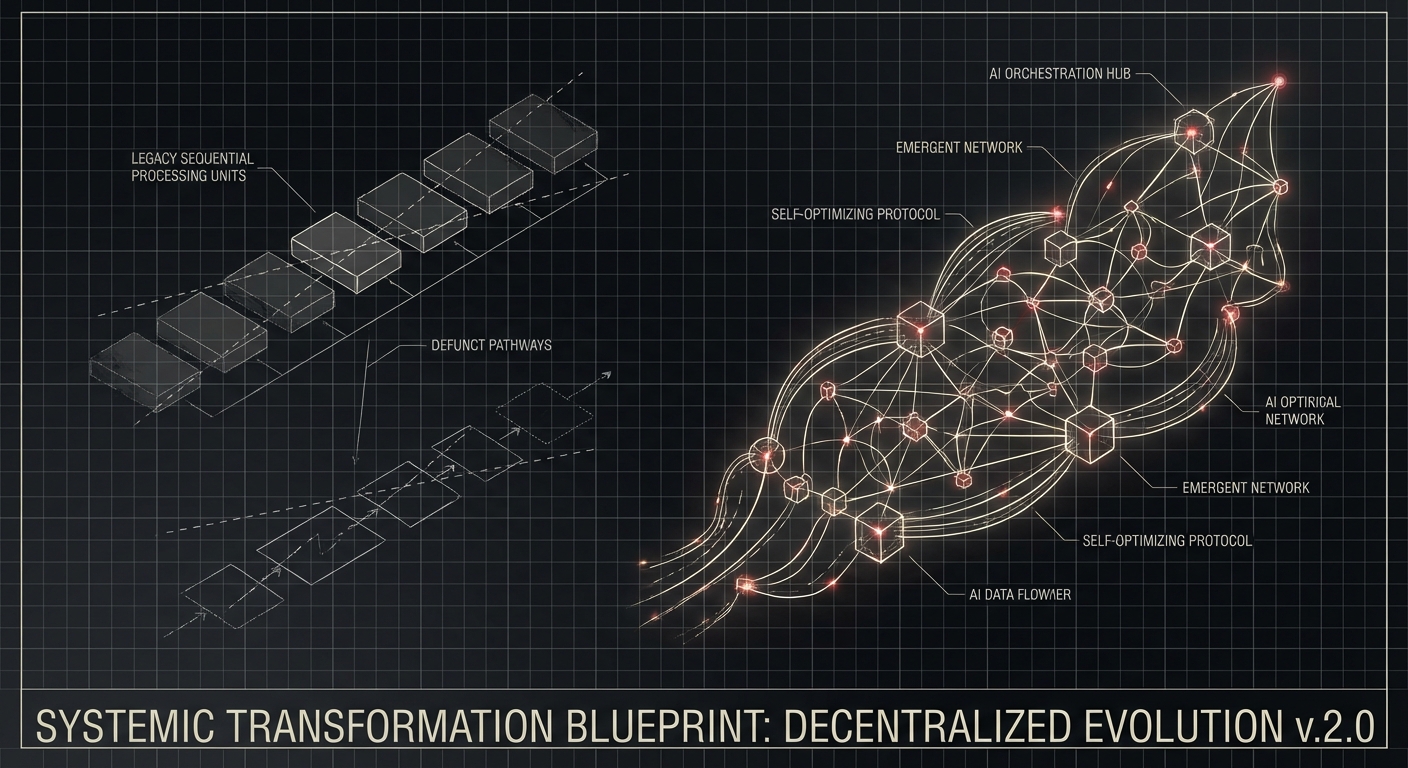
The Last Generation of Coders
Software engineering is restructuring: AI-driven changes mean junior devs are the last to learn traditional coding, favoring experience and agentic orchestration.
Read→
The F1 Team Model: Why Small Engineering Teams Now Outbuild Enterprises
AI-native engineering lets small, F1-model teams outbuild traditional enterprise organizations, removing overhead for peak performance and strategic advantage.
Read→
Outcome Engineering: Why Nobody Wants to Buy Your Hours Anymore
Outcome engineering fundamentally shifts software economics: AI agents render hourly billing obsolete, dictating a focus on results-based pricing.
Read→
The SaaSpocalypse Is Real, and It's Just Getting Started
AI agents are collapsing traditional SaaS moats, leading to a SaaSpocalypse where custom-built AI-native systems replace legacy software.
Read→
Finding Diagrams in Video Is Harder Than You Think
Extracting architecture diagrams from screen share video is a hard computer vision problem; PlanOpticon uses AI for multi-strategy frame extraction.
Read→
PlanOpticon Is Now Open Source and on PyPI
CONFLICT open-sources PlanOpticon, a Python tool for AI-driven video analysis that extracts transcripts, diagrams, action items, and knowledge graphs from any video source.
Read→
The AI-Native Manifesto: Principles for Building in the Agent Era
Old engineering principles fail the AI-native agent era; CONFLICT's manifesto outlines new methods for building with AI capabilities and outcomes.
Read→
The Eight-Step Pipeline That Turns Video Into Knowledge
CONFLICT's 8-step AI pipeline, PlanOpticon, processes video through frame extraction, transcription, and diagram analysis to yield structured knowledge.
Read→
We Built PlanOpticon Because Nobody Rewatches Meetings
We built PlanOpticon, an open-source AI tool, to extract actionable knowledge, diagrams, and tasks from your unrewatched meeting video.
Read→
Smart Routing Across AI Providers Is the Real Unlock
Smart routing across diverse AI providers, not single-model reliance, is the crucial unlock for powerful AI system architecture.
Read→
AI Is Not a Department: Why Every Team Needs an AI Strategy
Avoid the AI department bottleneck: effective enterprise AI requires distributed strategy and capabilities in every team.
Read→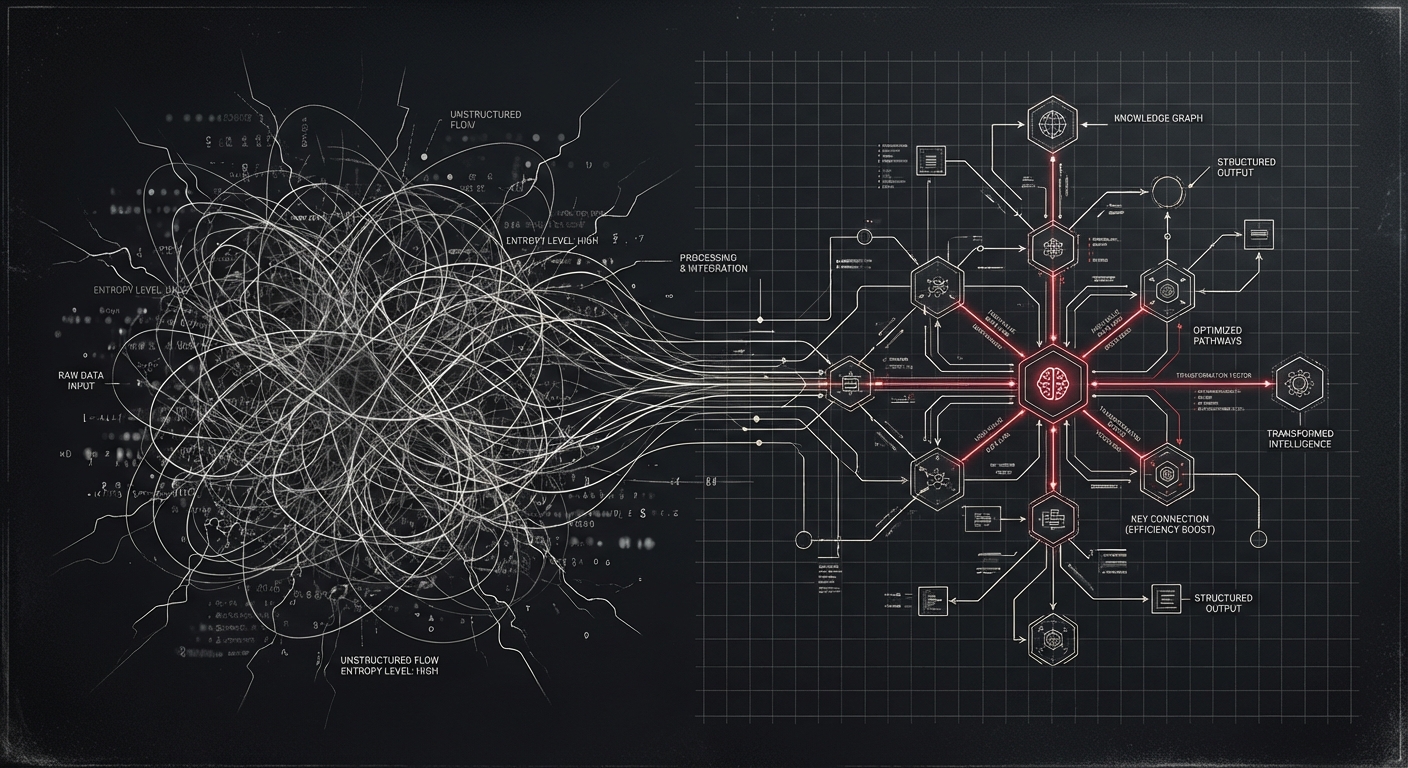
Turning Meeting Transcripts Into Knowledge Graphs
Naive LLM extraction makes meeting knowledge graphs slow; optimize API calls with PlanOpticon to process 90-min transcripts in 20 minutes.
Read→
Zero Trust for AI Workloads: Security When Your Engineers Are Agents
Zero Trust wasn't designed for AI agents. Implement a new security framework for AI workloads to manage agent credentials and infrastructure access securely.
Read→
How CalliopeAI Handles Multi-Model Orchestration Under the Hood
CalliopeAI's multi-model orchestration architecture decouples AI applications from LLM providers, abstracting complexity for scalable and adaptable systems.
Read→
Infrastructure as Code in the Age of AI: What Terraform Cannot Do Alone
Terraform alone can't scale; AI agents fill its critical gaps, translating intent to infrastructure and optimizing complex cloud deployments.
Read→
The AI-Native CI/CD Pipeline: What Changes When Agents Write Code
AI agent code volume breaks human-centric CI/CD pipelines, degrading quality and consistency. Learn what changes and what to build for agentic engineering.
Read→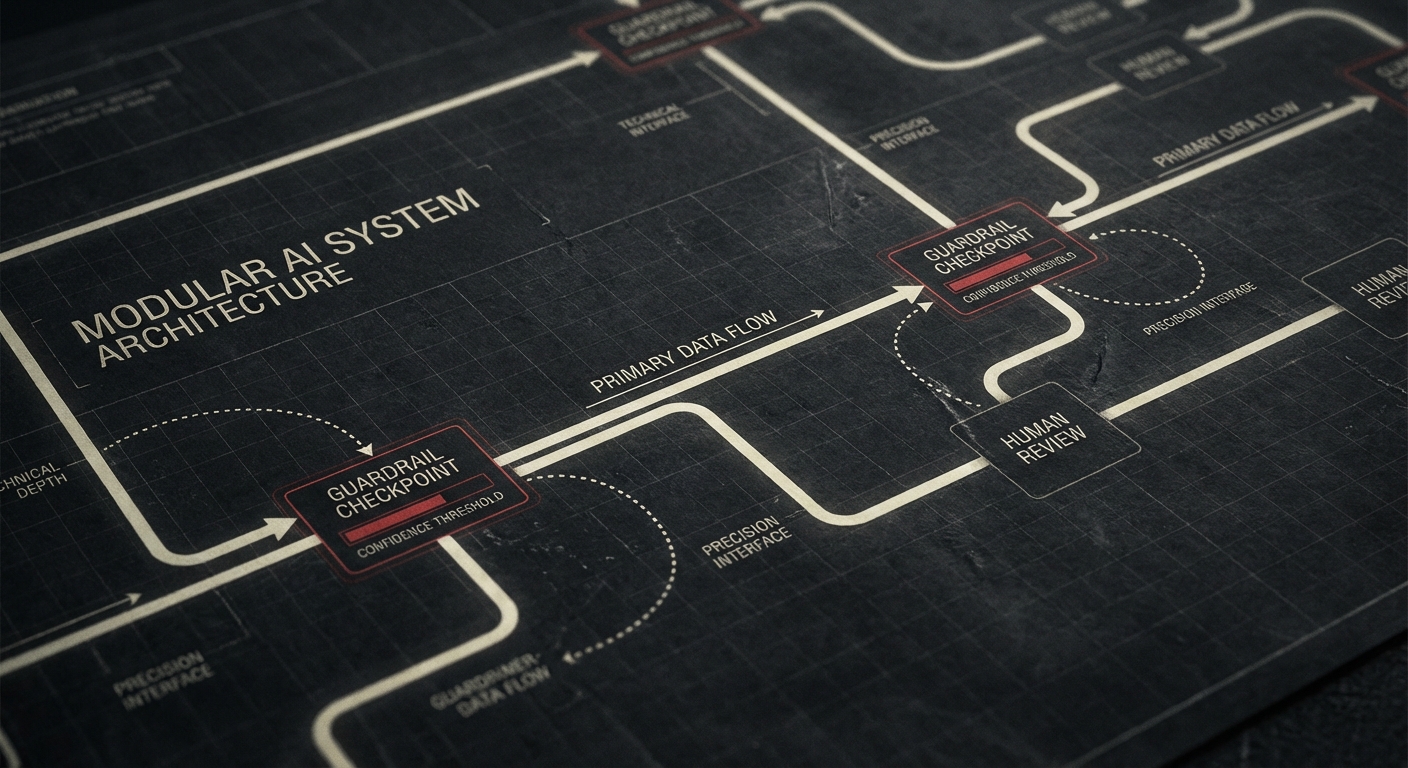
Human-in-the-Loop Is Not Optional: Designing AI Guardrails That Scale
Human-in-the-loop is not optional for trustworthy AI. Design scalable guardrails for agentic systems, managing production risk with confidence thresholds.
Read→
The Fractional CTO in the Age of AI: What Technical Leadership Looks Like Now
AI agents are automating technical execution, fundamentally reshaping the CTO role and elevating strategic leadership, making fractional CTOs essential.
Read→
The Knowledge Graph Nobody Asked For But Everyone Needs
Organizations possess an implicit knowledge graph; making this explicit is the foundational infrastructure investment for impactful AI applications.
Read→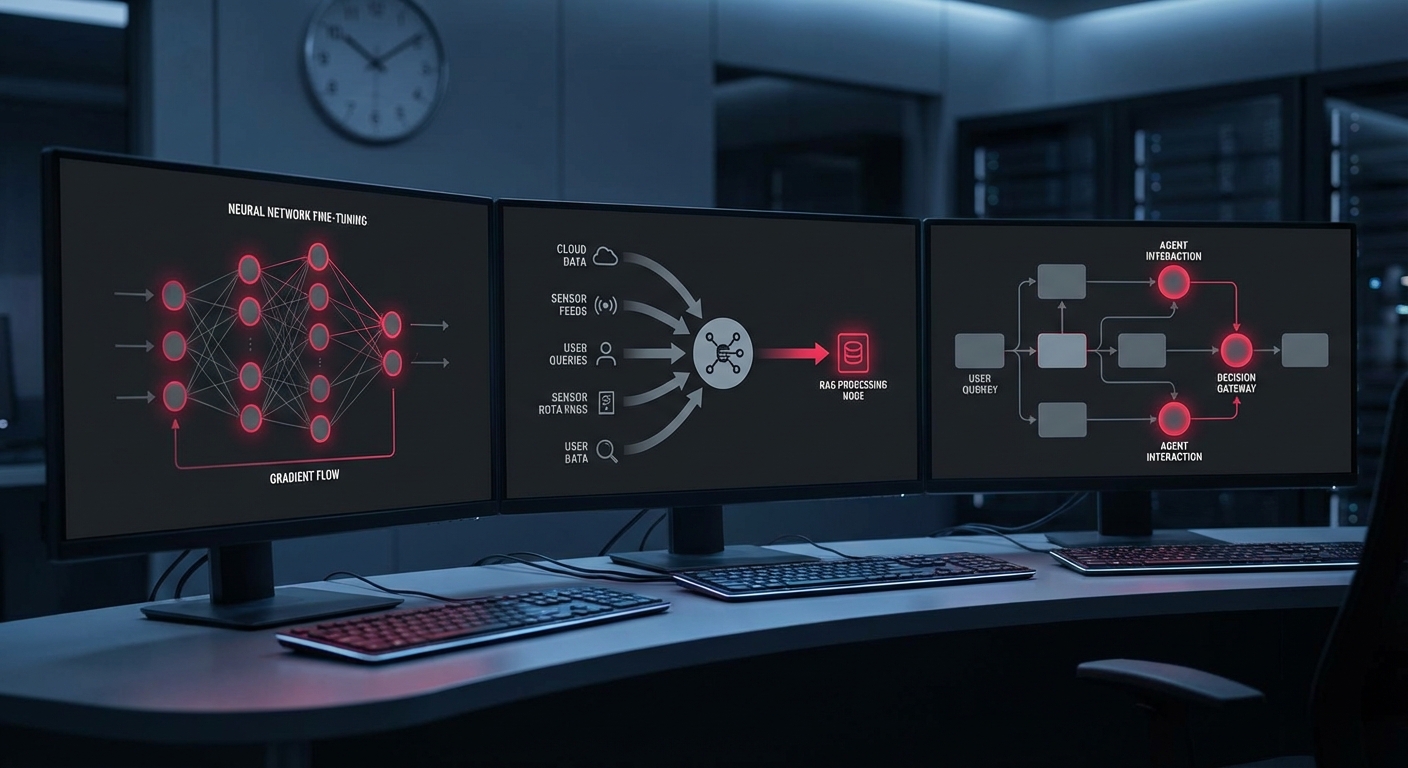
Fine-Tuning vs RAG vs Agents: A Decision Framework for AI Architecture
CONFLICT shares its decision framework for AI architecture: fine-tuning, RAG, or agents. Optimize your costs, maintenance, and accuracy profile.
Read→
The IDE Is Dead, Long Live the Workbench
Traditional IDEs fail AI-native development; the future of agentic engineering requires a dedicated workbench for AI agent orchestration.
Read→
Regulated Industries and AI: Moving Fast Without Breaking Compliance
Move AI into production within regulated sectors like healthcare by designing compliance controls from the ground up, not as an afterthought.
Read→
Boilerworks: Killing Boilerplate So Engineers Can Think
CONFLICT introduces Boilerworks, a dev platform eliminating infrastructure boilerplate & setup ceremony so engineers deliver core business value.
Read→
Agent Orchestration Patterns: Delegation, Routing, and Swarm
Move beyond monolithic AI. Implement CONFLICT's core agent orchestration patterns (Delegation, Routing, Swarm) to build scalable multi-agent systems.
Read→
Checkpoint and Resume: The Pattern Every AI Pipeline Needs
AI pipelines will fail. Implement the checkpoint/resume pattern to ensure reliability and resume from any outage, saving compute and time. Python details.
Read→
Observability Is a Product Not a Dashboard
Engineering organizations fail observability by treating it as infrastructure. It's a product designed for daily insights, not just incident dashboards.
Read→
Why Spec-Driven Development Is the Backbone of Agentic Engineering
User stories cripple AI agent output; only formal, structured specifications can reliably drive agentic engineering and software delivery.
Read→
The Hiring Freeze Playbook: Shipping More With Fewer People and Smarter AI
Don't cut scope during a hiring freeze; leverage AI to audit engineering time and augment capacity, shipping more with a smaller team.
Read→
Prompt Engineering Is Dead: Context Engineering Is What Matters Now
Prompt engineering is dead. Context engineering, a systems discipline, is essential for building effective modern AI applications.
Read→
How to Measure AI ROI Without Lying to Your Board
Stop presenting fictional AI ROI. Learn an honest, operator-led framework to measure AI value accurately, distinguishing proven gains from strategic bets for your board.
Read→
HiVE in Practice: How We Shipped a Production System in 11 Days
We deployed a production agentic document processing system for financial services in 11 days using HiVE, eliminating 120 weekly manual hours.
Read→
Chaos Engineering for AI Systems: Why We Built Firedrill
AI systems have unique failure modes beyond infrastructure, like model drift and hallucination. Firedrill applies chaos engineering to ensure AI reliability.
Read→
AI for eCommerce: Beyond Product Recommendations
AI for eCommerce transcends product recommendations; real ROI lies in operational AI for pricing, inventory, fraud, and merchandising that moves revenue.
Read→
Multi-Model Routing in Production: Lessons From Building PlanOpticon
Optimizing AI systems in production demands multi-model routing; we detail architectures, operations, and cost dynamics from building PlanOpticon.
Read→
The Three Layers of an AI-Native Organization
Achieving AI-nativeness requires a structural, three-layer architecture that integrates models, agents, and data beyond the intelligence layer.
Read→
The Context Engineer: The Most Important Role Nobody Is Hiring For
Context Engineering is the most important, overlooked role in AI-native development, critical for bridging human intent to effective AI agent action.
Read→
Computer Vision for the Rest of Us: Practical Applications Beyond Self-Driving Cars
Computer vision delivers immediate business ROI beyond self-driving cars, enabling engineering teams to automate document processing, quality inspection, and inventory.
Read→
Agentic Development Is Not Autonomous Development
Distinguishing agentic development from autonomous AI is critical: one requires human oversight and guardrails for production safety, the other is an engineering liability.
Read→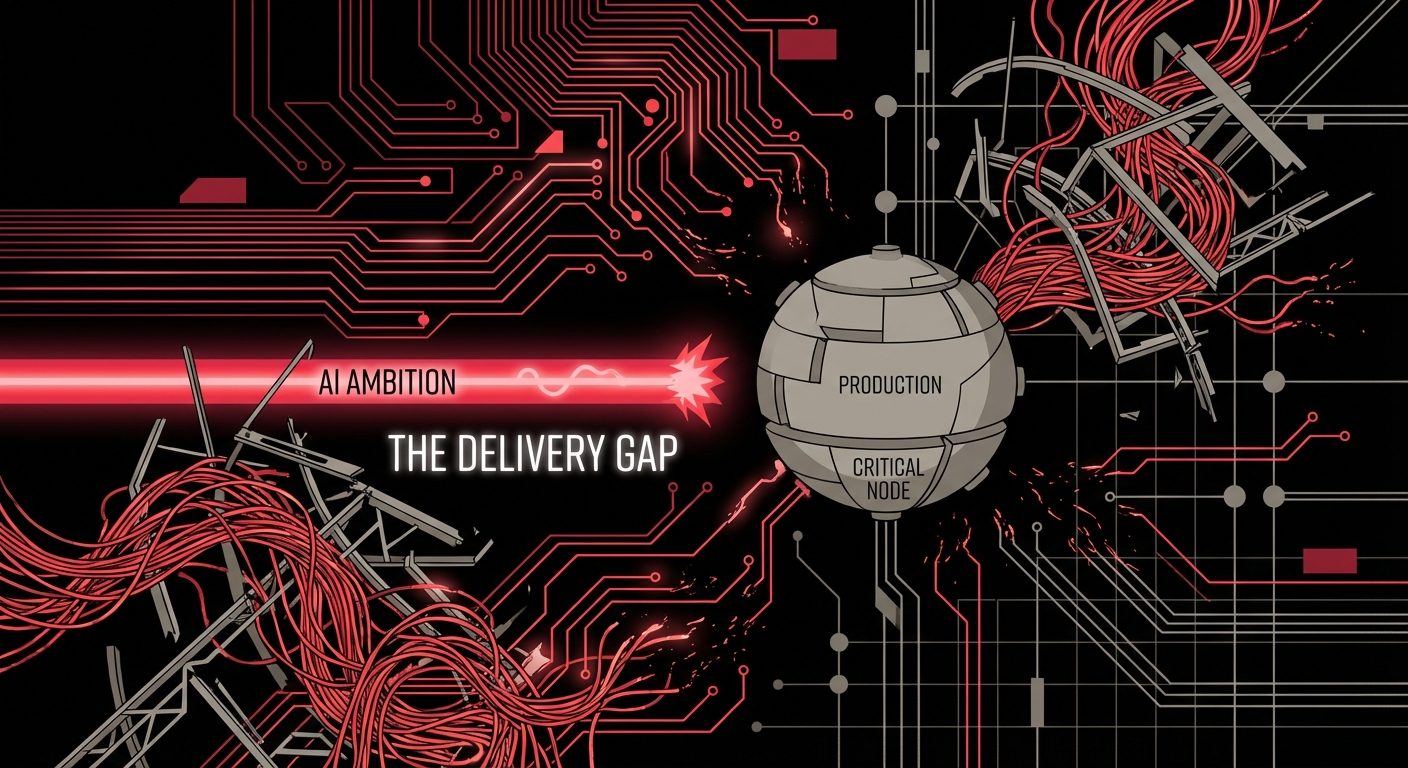
What Your AI Strategy Is Missing: Delivery Discipline
AI strategies falter not from tech, but from poor delivery discipline. Operationalize AI ambition into measurable production results.
Read→
GPU Infrastructure for Teams That Are Not OpenAI
Stop building supercomputers for AI: most teams need right-sized GPU infrastructure for inference, fine-tuning, and domain-specific applications.
Read→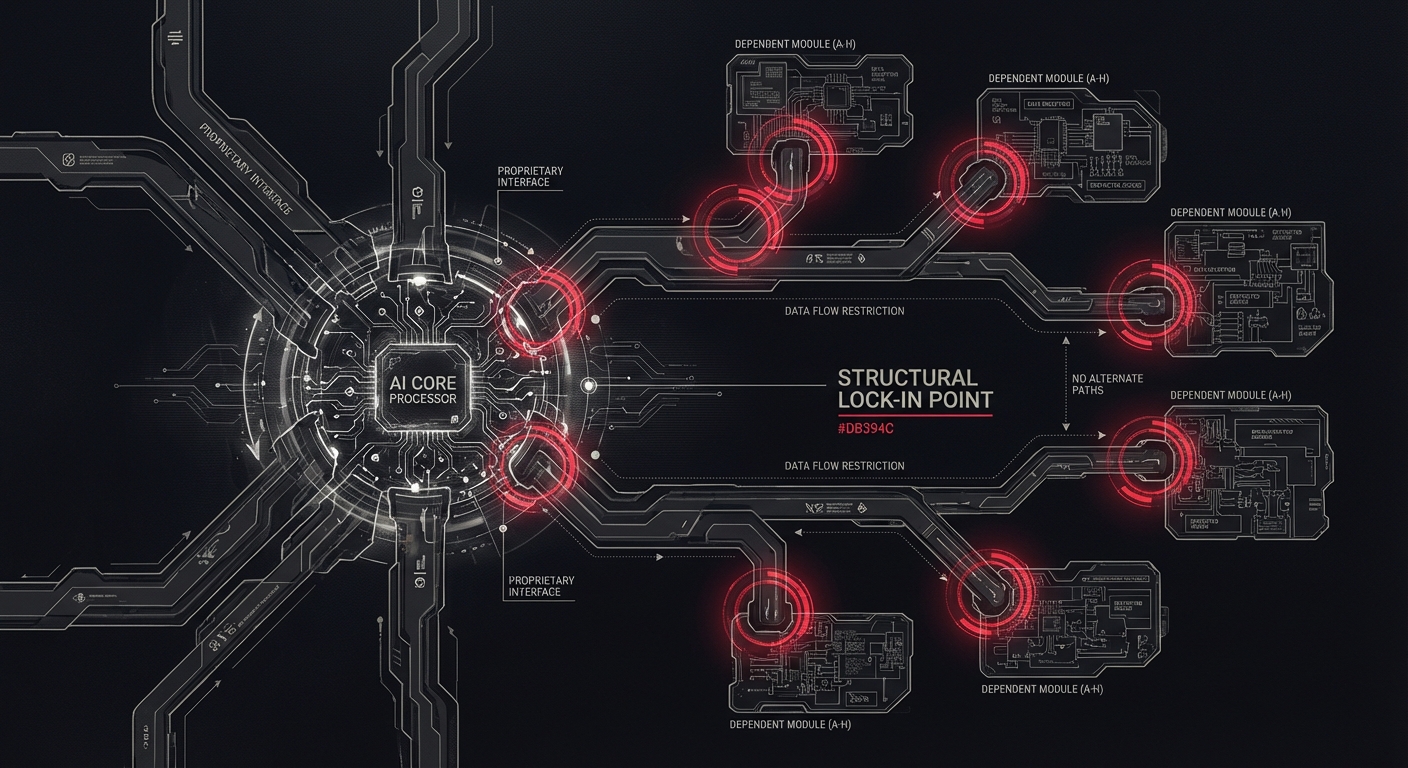
Why Your AI Vendor Is Incentivized to Keep You Dependent
AI platform vendors are structurally incentivized to create dependency; architect your AI systems to avoid their lock-in playbook and regain control.
Read→
Building AI Agents That Actually Work in Production
Building reliable AI agents for production requires a different category of engineering, specifically tackling state management and recovery.
Read→
The Death of the Feature Factory: How AI-Native Teams Ship Outcomes Not Tickets
The feature factory is dead. AI agents eliminate implementation bottlenecks, enabling AI-native engineering to ship business outcomes, not just tickets.
Read→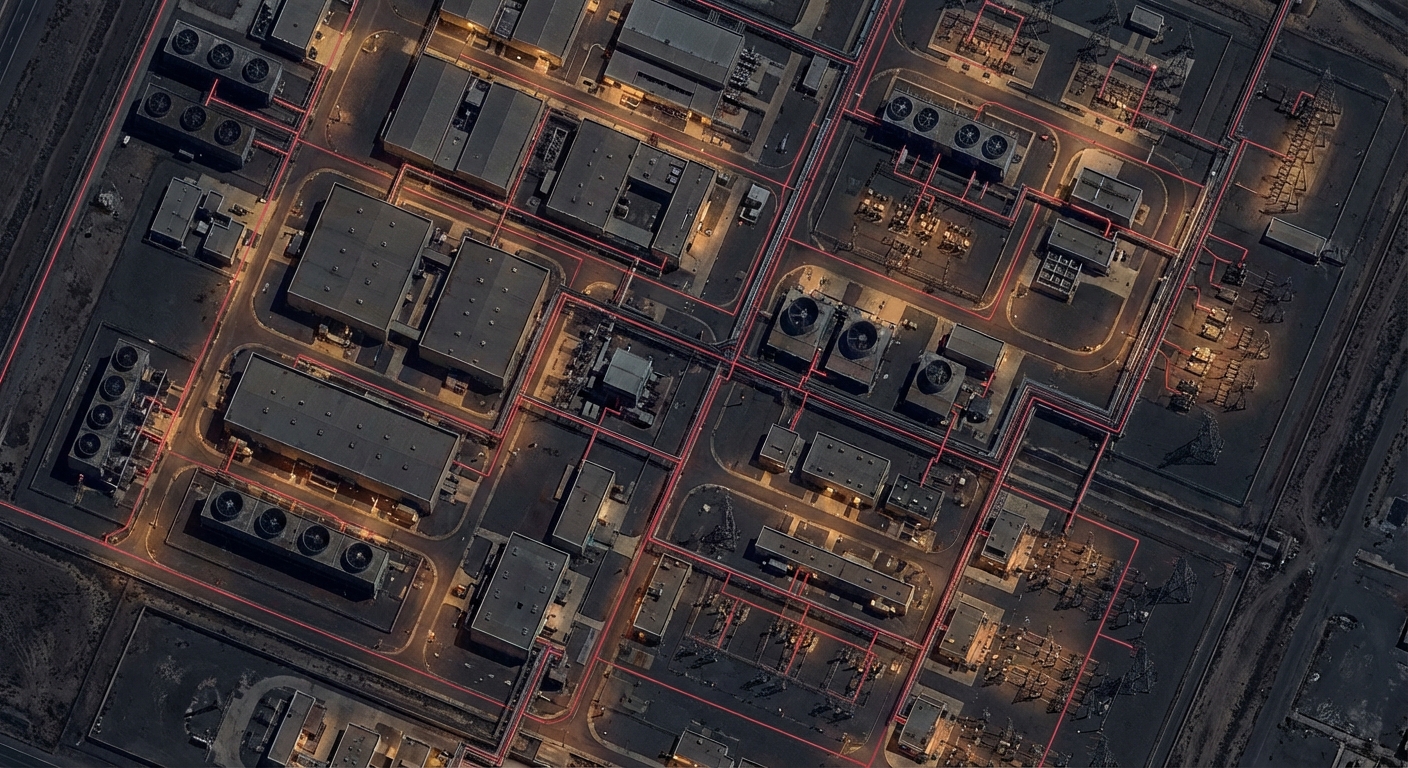
Why We Open Source Our Best Work
We open source PlanOpticon, our AI meeting analysis platform, as a calculated strategy to prove engineering capability and close the credibility gap.
Read→
From Vibe Coding to Agentic Engineering: A Maturity Model
Our 5-level maturity model defines the progression from LLM autocomplete to agentic engineering, transforming AI-native software development capability.
Read→
RAG Is Not a Product: It Is a Pattern and Here Is How to Get It Right
RAG is an engineering pattern, not a product. Build effective RAG systems for AI and LLM applications by mastering its architectural fundamentals.
Read→
Outcome Engineering: The Discipline That Replaces Digital Transformation
The era of vague digital transformation ends. Outcome Engineering dictates enterprise strategy: measurable business outcomes first, then precise engineering.
Read→
The Real Cost of AI: What Nobody Tells You Before You Start
AI API bills are a fraction of real deployment costs; the true spend lies in data preparation, evaluation infrastructure, integration, maintenance, and human process shifts.
Read→
Platform Engineering Is Not DevOps 2.0
Platform engineering is a distinct product discipline for internal tools, not a "DevOps 2.0" cultural movement, and mislabeling it leads to wrong infrastructure investments.
Read→
AI-Native vs. AI-Augmented: Why the Distinction Matters for Every Engineering Leader
Engineering leaders: Stop bolting AI onto old processes. AI-native demands structural change for true leverage, not just chatbots.
Read→
Lessons From 13 Years of Building Software Nobody Thought Was Possible
CONFLICT's 13 years building software from mobile to cloud to AI distill engineering lessons: fundamentals, not frameworks, ensure lasting success.
Read→Innovation dies behind bad terminals and worse VPNs.
Bad VPNs and jump boxes kill innovation; Calliope AI co-locates AI-enhanced, compliant development and data science inside your infrastructure.
Read→The Age of the Dumb Terminal Is Back (and That's a Good Thing)
Centralized, AI-native infrastructure and trusted terminals refine software engineering, securing dev environments from distributed sprawl.
Read→
The AI Hype Cycle: From "Vibe" to "HiVE", a Reality Check for Developers
AI's "vibe coding" era ends, leaving technical debt that demands experienced engineers to refactor and secure AI-generated code for production.
Read→
From Internal Frustration to Industry Solution: The Story of CalliopeAI
CONFLICT solved internal AI development friction by building CalliopeAI, an LLM workflow workbench now offered to the industry for accelerated engineering.
Read→
Conflict
CONFLICT builds bespoke full-stack AI, web, mobile, and cloud infrastructure, embedding advanced DevOps practices from concept to operation.
Read→
Navegador v1.6.0: Targeting, and a Graph That Matches the Code
Navegador v1.6.0 adds targeting tools that tell agents where to look, and fixes the ingest bugs that were filling graphs with build output.
Read→Why We Don't Hire Junior Engineers (And Why That Is Not a Crisis)
We reject the moral panic about not hiring junior engineers; the industry's senior AI-native talent pipeline requires a new, effective strategy.
Read→Agents Need the Principle of Least Privilege Too
Enterprise AI agents consistently operate with excessive privilege, ignoring core security principles and introducing systemic vulnerabilities across infrastructure.
Read→Ship the Copilot With the Boilerplate
We open-sourced a Django + Next.js template with an agentic in-app copilot pre-wired: CopilotKit UI, a Pydantic AI agent inside Django, and tools that respect your auth and permissions from the first request.
Read→Spec-First Engineering: The Most Important Skill of the Decade
Agentic engineering fails without spec-first workflow. Prioritize clear specifications to prevent AI agents from generating broken, inconsistent code.
Read→SOC 2 in the Age of Agents: What Your Auditor Has Not Figured Out Yet
SOC 2 was designed for humans; AI agents now operate enterprise systems, exposing critical security and compliance blind spots auditors ignore.
Read→Vendor Lock-In Is Back. It Is Just AI-Shaped Now.
AI's unstandardized layers reintroduce vendor lock-in at mainframe-era depths for enterprises, shifting strategic architectural risk.
Read→DORA Metrics Cannot Measure What Agents Do
DORA metrics, designed for human teams, no longer accurately measure software delivery and engineering performance when AI agents drive implementation.
Read→MCP Is Not a Standard Yet. It Is a Conversation.
MCP is not a standard yet. Treating this evolving agentic protocol as settled will cause significant pain for AI infrastructure teams.
Read→Build vs Buy vs Generate: A Decision Tree for 2026
AI agents add 'generate' to build-vs-buy, forcing a new decision tree for modern software architecture and strategy in 2026.
Read→Your Data Platform Is the Bottleneck. Your AI Strategy Is Not.
Enterprise AI strategies fail when data architecture is unsound. Your data platform, not AI, is the bottleneck preventing success.
Read→Staff Augmentation Was a Bug, Not a Feature
Staff augmentation was a temporary throughput fix, never a path to good engineering outcomes, now obsolete in AI-native development.
Read→The Big Three Consultancies Are Selling You PowerPoint and Calling It Strategy
The Big Three consultancies define 'strategy' as board-ready PowerPoint, not actionable AI implementation, hindering enterprise progress and execution.
Read→The Procurement Team Cannot Buy What It Cannot Specify
Old enterprise procurement processes fail AI; what cannot be precisely specified, like AI's true value, cannot be effectively procured.
Read→Disposable Code: Building Software You Plan to Throw Away
The rise of AI-native engineering demands new software architecture: strategically build disposable code for systems not requiring long-term maintenance.
Read→Your AI Policy Is Compliance Theater
Generic AI policies are compliance theater: they don't change engineering behavior, secure systems, or govern AI agent development effectively.
Read→Why We Killed the Six-Month Roadmap
CONFLICT ended the six-month roadmap because AI-native engineering shifted the rate-limiting step from building to strategic decision-making.
Read→The Cost of a Code Review Is Now Higher Than the Cost of the Code
AI agents reverse software's cost curve: code review is now the bottleneck, costing more than the code generated in modern engineering.
Read→scuttlebot v1.5.0 Is Live: Every System Bot Is Now Interactive
Scuttlebot v1.5.0 transforms system bots into interactive agents, granting operators direct command and real-time visibility across AI infrastructure.
Read→AI-Native Is Not a Buzzword: Here Is the Checklist
True AI-native engineering redefines the operating model, moving beyond AI-adjacent tools to embed AI into core processes for structural advantage.
Read→Stop Hiring Engineers. Start Hiring Architects.
AI agents are obsoleting implementation-focused engineering roles. Stop hiring engineers for capacity; prioritize architectural judgment instead.
Read→The 3-Person Team That Outbuilds a 20-Person Department
AI-native methodology allows 3-person teams to outbuild and outperform 20-person engineering departments on complex production systems.
Read→We Replaced Our Own Workflows Before We Replaced Yours
CONFLICT earns AI consulting credibility by deploying our AI-native tools and agent-driven workflows as production infrastructure before client engagement.
Read→Navegador v1.1.0 Is Live: Better PlanOpticon Interop, Cleaner Memory Imports
Navegador v1.1.0 enhances PlanOpticon interop and memory imports, making brittle data pipelines reliable for graph queries and knowledge tooling.
Read→PlanOpticon v0.6.0 Is Live: Cleaner Output Contracts for Downstream Tools
PlanOpticon v0.6.0 delivers precise output contracts, preventing pipeline integration bugs for AI tools and ensuring reliable data ingestion.
Read→The AI-Native Consultancy: Why Traditional Agencies Cannot Compete
AI-native consultancies exploit AI agents to automate implementation, rendering traditional agency models structurally obsolete and uncompetitive.
Read→The SQLite Renaissance: Why Cloudflare D1 and Workers Are the Right Shape for Agentic Apps
Traditional infrastructure fails for agentic AI. SQLite on Cloudflare D1 and Workers is the right shape for modern agentic applications.
Read→Discovery Evolved: From Sticky Notes to Federated Knowledge Graphs
Fragile discovery insights are an infrastructure problem. CONFLICT engineers AI-native systems for durable, queryable knowledge with PlanOpticon and knowledge graphs.
Read→The Case for Decentralizing Your Codebase: Introducing fossilrepo
Centralized SCM platforms are failing under agentic AI development pressure, creating critical infrastructure brittleness. Decentralize your codebase with fossilrepo.
Read→Discovery Evolved: Why We Invest More in Research, Not Less
AI-native software engineering demands more research, not less. Rich context fuels agent quality, unlocking unparalleled delivery speed and results.
Read→Introducing scuttlebot: Run a Fleet of AI Agents. Watch Them Work.
scuttlebot is an open-source coordination backplane for AI agents, allowing operators to observe, control, and coordinate agent fleets via standard IRC.
Read→Hugoifier v0.3: Why We Built a Tool to Kill Website Migrations
Manual website migrations are a mechanical bottleneck. CONFLICT's Hugoifier v0.3, an AI-native open-source tool, automates and eliminates this critical webdev problem.
Read→Boilerworks Is Live: 26 Templates, 10 Stacks, Zero Excuses
Boilerworks provides 26 production-ready project templates with CI/CD, Terraform, and Docker pre-configured, so you can build, not boilerplate.
Read→PlanOpticon v0.5: From Video Analyzer to Planning Platform
PlanOpticon v0.5 transforms CONFLICT's open-source AI tool from a video analyzer to a full planning platform, bridging knowledge extraction to action.
Read→Agentic Development Done Right: A Practitioner's Guide
Agentic development demands a structured workflow architecture, not just AI tools; CONFLICT details our proven production pipeline and patterns.
Read→AI Guardrails That Actually Work: Beyond Checkbox Compliance
Beyond compliance: CONFLICT details practical architectures for effective AI guardrails that prevent agentic system failures in production.
Read→Hugoifier Is Open Source: Turn Any Website Into a Hugo Site in Minutes
CONFLICT open-sources Hugoifier, a tool that automates converting any existing website into a production-ready Hugo static site, streamlining migrations.
Read→OpenClaw and the Security Crisis Nobody Planned For
OpenClaw's architectural failure turned an autonomous AI agent into a catastrophic security incident by granting uncontrolled OS and communications access.
Read→Building with AI: What Thirteen Years of Software Engineering Taught Us About the Next Thirteen
From mobile to AI, CONFLICT's thirteen years building software reveal enduring engineering challenges and actionable lessons for the AI-native era.
Read→Modern AI Development: What Has Actually Changed
AI isn't a feature; it's a structural software engineering methodology shift. We detail the actual changes operators encounter in modern AI development.
Read→What Is a Software Factory in 2026?
A 2026 software factory leverages AI agents, automated systems, and human expertise to produce high-quality output at high velocity with consistent standards.
Read→AWS Partnership and TeamSpartan: Why Certifications Matter More Than You Think
AWS certifications and TeamSpartan's operational expertise fill a critical market gap in architecting and operating resilient production cloud infrastructure.
Read→The Last Generation of Coders
Software engineering is restructuring: AI-driven changes mean junior devs are the last to learn traditional coding, favoring experience and agentic orchestration.
Read→The F1 Team Model: Why Small Engineering Teams Now Outbuild Enterprises
AI-native engineering lets small, F1-model teams outbuild traditional enterprise organizations, removing overhead for peak performance and strategic advantage.
Read→Outcome Engineering: Why Nobody Wants to Buy Your Hours Anymore
Outcome engineering fundamentally shifts software economics: AI agents render hourly billing obsolete, dictating a focus on results-based pricing.
Read→The SaaSpocalypse Is Real, and It's Just Getting Started
AI agents are collapsing traditional SaaS moats, leading to a SaaSpocalypse where custom-built AI-native systems replace legacy software.
Read→Finding Diagrams in Video Is Harder Than You Think
Extracting architecture diagrams from screen share video is a hard computer vision problem; PlanOpticon uses AI for multi-strategy frame extraction.
Read→PlanOpticon Is Now Open Source and on PyPI
CONFLICT open-sources PlanOpticon, a Python tool for AI-driven video analysis that extracts transcripts, diagrams, action items, and knowledge graphs from any video source.
Read→The AI-Native Manifesto: Principles for Building in the Agent Era
Old engineering principles fail the AI-native agent era; CONFLICT's manifesto outlines new methods for building with AI capabilities and outcomes.
Read→The Eight-Step Pipeline That Turns Video Into Knowledge
CONFLICT's 8-step AI pipeline, PlanOpticon, processes video through frame extraction, transcription, and diagram analysis to yield structured knowledge.
Read→We Built PlanOpticon Because Nobody Rewatches Meetings
We built PlanOpticon, an open-source AI tool, to extract actionable knowledge, diagrams, and tasks from your unrewatched meeting video.
Read→Smart Routing Across AI Providers Is the Real Unlock
Smart routing across diverse AI providers, not single-model reliance, is the crucial unlock for powerful AI system architecture.
Read→AI Is Not a Department: Why Every Team Needs an AI Strategy
Avoid the AI department bottleneck: effective enterprise AI requires distributed strategy and capabilities in every team.
Read→Turning Meeting Transcripts Into Knowledge Graphs
Naive LLM extraction makes meeting knowledge graphs slow; optimize API calls with PlanOpticon to process 90-min transcripts in 20 minutes.
Read→Zero Trust for AI Workloads: Security When Your Engineers Are Agents
Zero Trust wasn't designed for AI agents. Implement a new security framework for AI workloads to manage agent credentials and infrastructure access securely.
Read→How CalliopeAI Handles Multi-Model Orchestration Under the Hood
CalliopeAI's multi-model orchestration architecture decouples AI applications from LLM providers, abstracting complexity for scalable and adaptable systems.
Read→Infrastructure as Code in the Age of AI: What Terraform Cannot Do Alone
Terraform alone can't scale; AI agents fill its critical gaps, translating intent to infrastructure and optimizing complex cloud deployments.
Read→The AI-Native CI/CD Pipeline: What Changes When Agents Write Code
AI agent code volume breaks human-centric CI/CD pipelines, degrading quality and consistency. Learn what changes and what to build for agentic engineering.
Read→Human-in-the-Loop Is Not Optional: Designing AI Guardrails That Scale
Human-in-the-loop is not optional for trustworthy AI. Design scalable guardrails for agentic systems, managing production risk with confidence thresholds.
Read→The Fractional CTO in the Age of AI: What Technical Leadership Looks Like Now
AI agents are automating technical execution, fundamentally reshaping the CTO role and elevating strategic leadership, making fractional CTOs essential.
Read→The Knowledge Graph Nobody Asked For But Everyone Needs
Organizations possess an implicit knowledge graph; making this explicit is the foundational infrastructure investment for impactful AI applications.
Read→Fine-Tuning vs RAG vs Agents: A Decision Framework for AI Architecture
CONFLICT shares its decision framework for AI architecture: fine-tuning, RAG, or agents. Optimize your costs, maintenance, and accuracy profile.
Read→The IDE Is Dead, Long Live the Workbench
Traditional IDEs fail AI-native development; the future of agentic engineering requires a dedicated workbench for AI agent orchestration.
Read→Regulated Industries and AI: Moving Fast Without Breaking Compliance
Move AI into production within regulated sectors like healthcare by designing compliance controls from the ground up, not as an afterthought.
Read→Boilerworks: Killing Boilerplate So Engineers Can Think
CONFLICT introduces Boilerworks, a dev platform eliminating infrastructure boilerplate & setup ceremony so engineers deliver core business value.
Read→Agent Orchestration Patterns: Delegation, Routing, and Swarm
Move beyond monolithic AI. Implement CONFLICT's core agent orchestration patterns (Delegation, Routing, Swarm) to build scalable multi-agent systems.
Read→Checkpoint and Resume: The Pattern Every AI Pipeline Needs
AI pipelines will fail. Implement the checkpoint/resume pattern to ensure reliability and resume from any outage, saving compute and time. Python details.
Read→Observability Is a Product Not a Dashboard
Engineering organizations fail observability by treating it as infrastructure. It's a product designed for daily insights, not just incident dashboards.
Read→Why Spec-Driven Development Is the Backbone of Agentic Engineering
User stories cripple AI agent output; only formal, structured specifications can reliably drive agentic engineering and software delivery.
Read→
The Hiring Freeze Playbook: Shipping More With Fewer People and Smarter AI
Don't cut scope during a hiring freeze; leverage AI to audit engineering time and augment capacity, shipping more with a smaller team.
Read→Prompt Engineering Is Dead: Context Engineering Is What Matters Now
Prompt engineering is dead. Context engineering, a systems discipline, is essential for building effective modern AI applications.
Read→How to Measure AI ROI Without Lying to Your Board
Stop presenting fictional AI ROI. Learn an honest, operator-led framework to measure AI value accurately, distinguishing proven gains from strategic bets for your board.
Read→HiVE in Practice: How We Shipped a Production System in 11 Days
We deployed a production agentic document processing system for financial services in 11 days using HiVE, eliminating 120 weekly manual hours.
Read→Chaos Engineering for AI Systems: Why We Built Firedrill
AI systems have unique failure modes beyond infrastructure, like model drift and hallucination. Firedrill applies chaos engineering to ensure AI reliability.
Read→AI for eCommerce: Beyond Product Recommendations
AI for eCommerce transcends product recommendations; real ROI lies in operational AI for pricing, inventory, fraud, and merchandising that moves revenue.
Read→Multi-Model Routing in Production: Lessons From Building PlanOpticon
Optimizing AI systems in production demands multi-model routing; we detail architectures, operations, and cost dynamics from building PlanOpticon.
Read→The Three Layers of an AI-Native Organization
Achieving AI-nativeness requires a structural, three-layer architecture that integrates models, agents, and data beyond the intelligence layer.
Read→The Context Engineer: The Most Important Role Nobody Is Hiring For
Context Engineering is the most important, overlooked role in AI-native development, critical for bridging human intent to effective AI agent action.
Read→Computer Vision for the Rest of Us: Practical Applications Beyond Self-Driving Cars
Computer vision delivers immediate business ROI beyond self-driving cars, enabling engineering teams to automate document processing, quality inspection, and inventory.
Read→Agentic Development Is Not Autonomous Development
Distinguishing agentic development from autonomous AI is critical: one requires human oversight and guardrails for production safety, the other is an engineering liability.
Read→What Your AI Strategy Is Missing: Delivery Discipline
AI strategies falter not from tech, but from poor delivery discipline. Operationalize AI ambition into measurable production results.
Read→GPU Infrastructure for Teams That Are Not OpenAI
Stop building supercomputers for AI: most teams need right-sized GPU infrastructure for inference, fine-tuning, and domain-specific applications.
Read→Why Your AI Vendor Is Incentivized to Keep You Dependent
AI platform vendors are structurally incentivized to create dependency; architect your AI systems to avoid their lock-in playbook and regain control.
Read→Building AI Agents That Actually Work in Production
Building reliable AI agents for production requires a different category of engineering, specifically tackling state management and recovery.
Read→The Death of the Feature Factory: How AI-Native Teams Ship Outcomes Not Tickets
The feature factory is dead. AI agents eliminate implementation bottlenecks, enabling AI-native engineering to ship business outcomes, not just tickets.
Read→Why We Open Source Our Best Work
We open source PlanOpticon, our AI meeting analysis platform, as a calculated strategy to prove engineering capability and close the credibility gap.
Read→From Vibe Coding to Agentic Engineering: A Maturity Model
Our 5-level maturity model defines the progression from LLM autocomplete to agentic engineering, transforming AI-native software development capability.
Read→RAG Is Not a Product: It Is a Pattern and Here Is How to Get It Right
RAG is an engineering pattern, not a product. Build effective RAG systems for AI and LLM applications by mastering its architectural fundamentals.
Read→Outcome Engineering: The Discipline That Replaces Digital Transformation
The era of vague digital transformation ends. Outcome Engineering dictates enterprise strategy: measurable business outcomes first, then precise engineering.
Read→The Real Cost of AI: What Nobody Tells You Before You Start
AI API bills are a fraction of real deployment costs; the true spend lies in data preparation, evaluation infrastructure, integration, maintenance, and human process shifts.
Read→Platform Engineering Is Not DevOps 2.0
Platform engineering is a distinct product discipline for internal tools, not a "DevOps 2.0" cultural movement, and mislabeling it leads to wrong infrastructure investments.
Read→AI-Native vs. AI-Augmented: Why the Distinction Matters for Every Engineering Leader
Engineering leaders: Stop bolting AI onto old processes. AI-native demands structural change for true leverage, not just chatbots.
Read→Lessons From 13 Years of Building Software Nobody Thought Was Possible
CONFLICT's 13 years building software from mobile to cloud to AI distill engineering lessons: fundamentals, not frameworks, ensure lasting success.
Read→Innovation dies behind bad terminals and worse VPNs.
Bad VPNs and jump boxes kill innovation; Calliope AI co-locates AI-enhanced, compliant development and data science inside your infrastructure.
Read→The Age of the Dumb Terminal Is Back (and That's a Good Thing)
Centralized, AI-native infrastructure and trusted terminals refine software engineering, securing dev environments from distributed sprawl.
Read→The AI Hype Cycle: From "Vibe" to "HiVE", a Reality Check for Developers
AI's "vibe coding" era ends, leaving technical debt that demands experienced engineers to refactor and secure AI-generated code for production.
Read→From Internal Frustration to Industry Solution: The Story of CalliopeAI
CONFLICT solved internal AI development friction by building CalliopeAI, an LLM workflow workbench now offered to the industry for accelerated engineering.
Read→Conflict
CONFLICT builds bespoke full-stack AI, web, mobile, and cloud infrastructure, embedding advanced DevOps practices from concept to operation.
Read→
No posts match your search.